


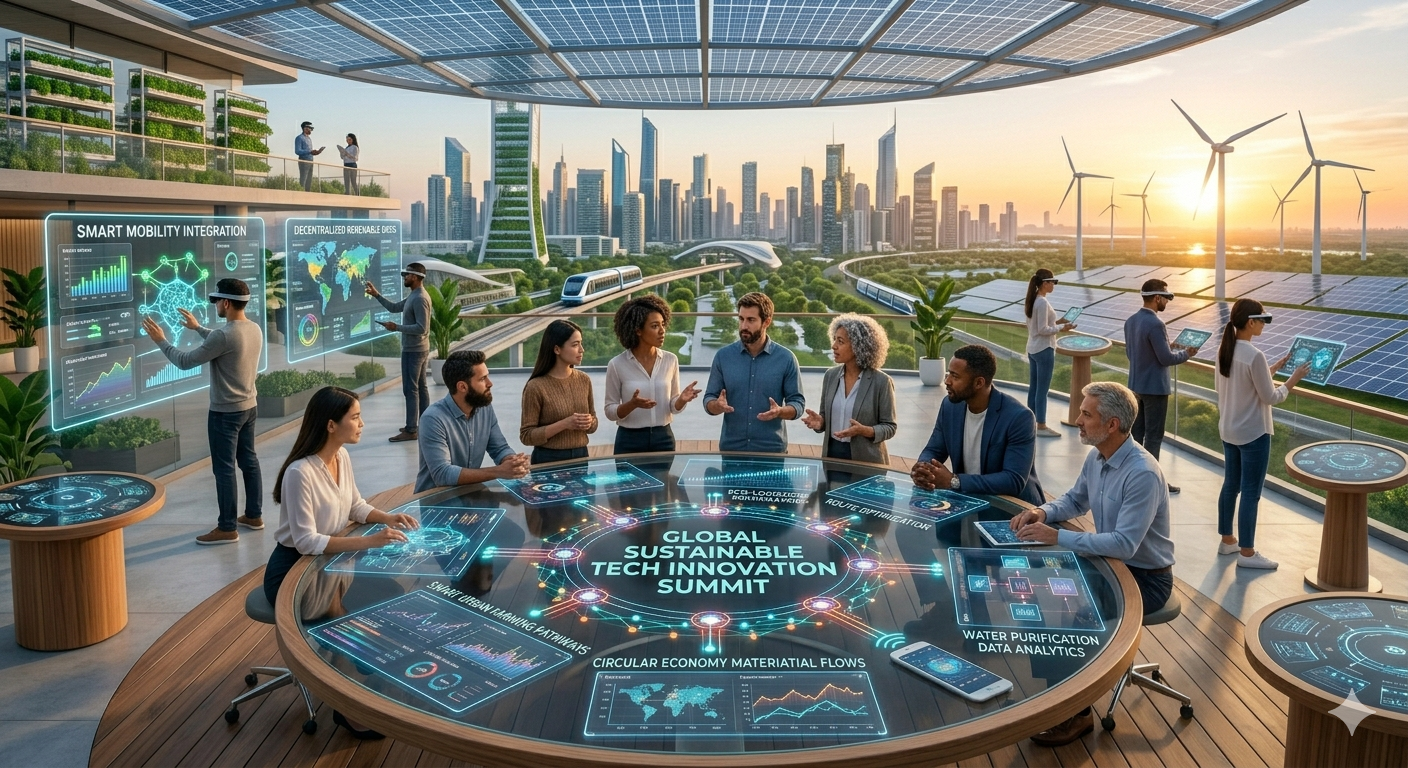
Technology is changing the world faster than ever before. Businesses, governments, schools, and individuals now rely heavily on digital systems to improve communication, productivity, and daily operations. The rapid growth of artificial intelligence, cloud computing, automation, and smart devices is shaping the future in powerful ways. Understanding The Future of Technology and Digital Transformation is important for businesses and individuals who want to stay competitive in the modern digital world.
Digital transformation is no longer optional. Companies across every industry are adopting new technologies to improve efficiency, reduce costs, and deliver better customer experiences. As technology continues to evolve, the future will bring even more innovation and opportunities.
In this article, you will learn how technology and digital transformation are changing industries, improving business operations, and shaping the future of society.
What Is Digital Transformation?
Digital transformation refers to the process of using digital technologies to improve business operations, customer experiences, and organizational performance.
This transformation involves integrating technology into different areas of a business, including:
- Communication
- Customer service
- Marketing
- Data management
- Product development
- Business operations
Digital transformation helps organizations work more efficiently and respond quickly to changing market demands.
Today, companies that fail to adapt to digital technologies often struggle to compete in modern markets.
Why Technology Is Important in Modern Business
Technology has become essential for businesses of all sizes. It allows companies to automate tasks, improve communication, analyze data, and reach global audiences.
Some major benefits of technology include:
- Faster business operations
- Improved customer experiences
- Better decision-making
- Increased productivity
- Reduced operating costs
- Enhanced security systems
Businesses that invest in technology can improve efficiency and create new growth opportunities.
Understanding The Future of Technology and Digital Transformation helps organizations prepare for future challenges and innovations.
Artificial Intelligence and Automation
Artificial Intelligence (AI) is one of the biggest drivers of digital transformation in 2026. AI systems can analyze large amounts of data, automate repetitive tasks, and improve business decision-making.
AI is being used in many industries, including:
- Healthcare
- Finance
- Retail
- Education
- Marketing
- Manufacturing
Businesses use AI-powered tools for:
- Customer support chatbots
- Data analysis
- Personalized marketing
- Fraud detection
- Predictive analytics
Automation also allows businesses to complete tasks faster and reduce human errors.
In the future, AI will continue to improve productivity and change how businesses operate worldwide.
Cloud Computing and Remote Work
Cloud computing has transformed how businesses store and access information. Instead of relying on physical servers, companies can now use cloud-based systems to manage data securely online.
Benefits of cloud computing include:
- Lower infrastructure costs
- Better collaboration
- Remote accessibility
- Improved data security
- Faster scalability
Cloud technology has also supported the rise of remote work. Employees can now work from anywhere while accessing company systems through secure online platforms.
The future of digital transformation will rely heavily on cloud technology to support flexible and efficient business operations.
Cybersecurity and Data Protection
As businesses become more digital, cybersecurity is becoming increasingly important. Cyber threats such as hacking, phishing, and data breaches continue to grow worldwide.
Companies must invest in strong security systems to protect customer information and business data.
Important cybersecurity practices include:
- Using secure passwords
- Multi-factor authentication
- Data encryption
- Regular software updates
- Employee cybersecurity training
The future of technology will include more advanced cybersecurity solutions powered by AI and machine learning.
Businesses that prioritize security can build trust and reduce the risk of cyberattacks.
The Internet of Things (IoT)
The Internet of Things refers to devices connected to the internet that can collect and share data automatically.
Examples of IoT devices include:
- Smart home systems
- Wearable fitness trackers
- Smart vehicles
- Industrial sensors
- Smart appliances
IoT technology improves convenience, efficiency, and automation in daily life and business operations.
For example, smart factories can monitor equipment performance in real time and reduce maintenance costs.
The growth of IoT is expected to continue as more devices become connected worldwide.
Digital Transformation in Healthcare
Technology is changing the healthcare industry significantly. Hospitals and healthcare providers now use digital tools to improve patient care and medical services.
Examples include:
- Telemedicine
- Electronic health records
- AI-assisted diagnosis
- Wearable health devices
- Remote patient monitoring
Digital healthcare systems improve communication between doctors and patients while increasing treatment efficiency.
In the future, AI and advanced medical technologies may help detect diseases earlier and improve healthcare outcomes.
Digital Transformation in Education
Education is also experiencing major digital transformation. Online learning platforms and educational technologies are making learning more accessible worldwide.
Examples of educational technology include:
- Online courses
- Virtual classrooms
- AI-powered tutoring systems
- Interactive learning apps
- Digital textbooks
Students can now learn from anywhere using smartphones, tablets, or computers.
The future of education will likely include more personalized and technology-driven learning experiences.
E-Commerce and Digital Payments
Online shopping continues to grow rapidly as consumers prefer convenient digital experiences.
Businesses now use e-commerce platforms to sell products globally without physical stores.
Digital transformation in e-commerce includes:
- Mobile shopping apps
- AI product recommendations
- Digital payment systems
- Automated customer service
- Faster delivery systems
Digital payment methods such as mobile wallets and online banking are also becoming more popular.
The future of technology and digital transformation will continue to improve online shopping experiences and financial transactions.
Blockchain Technology
Blockchain technology is gaining attention for its ability to improve security and transparency.
Blockchain works by storing information in secure digital records that cannot be changed easily.
Industries using blockchain include:
- Finance
- Supply chain management
- Healthcare
- Real estate
Cryptocurrencies like Bitcoin also rely on blockchain systems.
In the future, blockchain may become more widely used for secure digital transactions and data management.
Smart Cities and Urban Development
Technology is also transforming cities around the world. Smart cities use digital systems and IoT technology to improve urban services and infrastructure.
Smart city technologies include:
- Intelligent traffic systems
- Smart energy management
- Digital public services
- Smart waste management
- Surveillance and safety systems
These technologies help improve efficiency, reduce pollution, and enhance quality of life for residents.
The future of urban development will depend heavily on digital innovation and connected technologies.
The Role of 5G Technology
5G networks are improving internet speed and connectivity worldwide.
Benefits of 5G technology include:
- Faster internet speeds
- Reduced network delays
- Better support for IoT devices
- Improved streaming and communication
5G technology will support future innovations such as self-driving cars, smart cities, and advanced AI systems.
Faster connectivity will also improve remote work and digital communication.
Challenges of Digital Transformation
Although technology provides many benefits, digital transformation also creates challenges.
Common challenges include:
- High implementation costs
- Cybersecurity risks
- Employee resistance to change
- Data privacy concerns
- Lack of technical skills
Businesses must invest in training, security, and strategic planning to overcome these challenges successfully.
Organizations that adapt effectively can gain strong competitive advantages.
Future Trends in Technology
Several emerging trends are expected to shape the future of technology and digital transformation.
These trends include:
- Advanced AI systems
- Quantum computing
- Augmented reality (AR)
- Virtual reality (VR)
- Green technology solutions
- Autonomous vehicles
- Human-machine collaboration
These technologies may completely change industries, workplaces, and everyday life over the next decade.
Businesses that stay updated with technology trends will be better prepared for future opportunities.
How Businesses Can Prepare for the Future
To stay competitive, businesses should focus on continuous innovation and digital improvement.
Important preparation steps include:
- Investing in modern technology
- Training employees in digital skills
- Improving cybersecurity systems
- Using data analytics for decision-making
- Adopting automation tools
Companies that embrace digital transformation early are more likely to succeed in the future economy.
Adaptability and continuous learning will remain essential for long-term growth.
Conclusion
Understanding The Future of Technology and Digital Transformation is essential for businesses and individuals in today’s fast-changing world. Technology is reshaping industries, improving communication, and creating new opportunities for growth and innovation.
Artificial intelligence, cloud computing, IoT, blockchain, and automation are already transforming how businesses operate and how people live. As these technologies continue to evolve, digital transformation will become even more important in the future.
Businesses that invest in innovation, security, and digital skills can improve efficiency, attract customers, and stay competitive in the modern marketplace. While challenges exist, the future of technology offers endless possibilities for organizations willing to adapt and grow.