


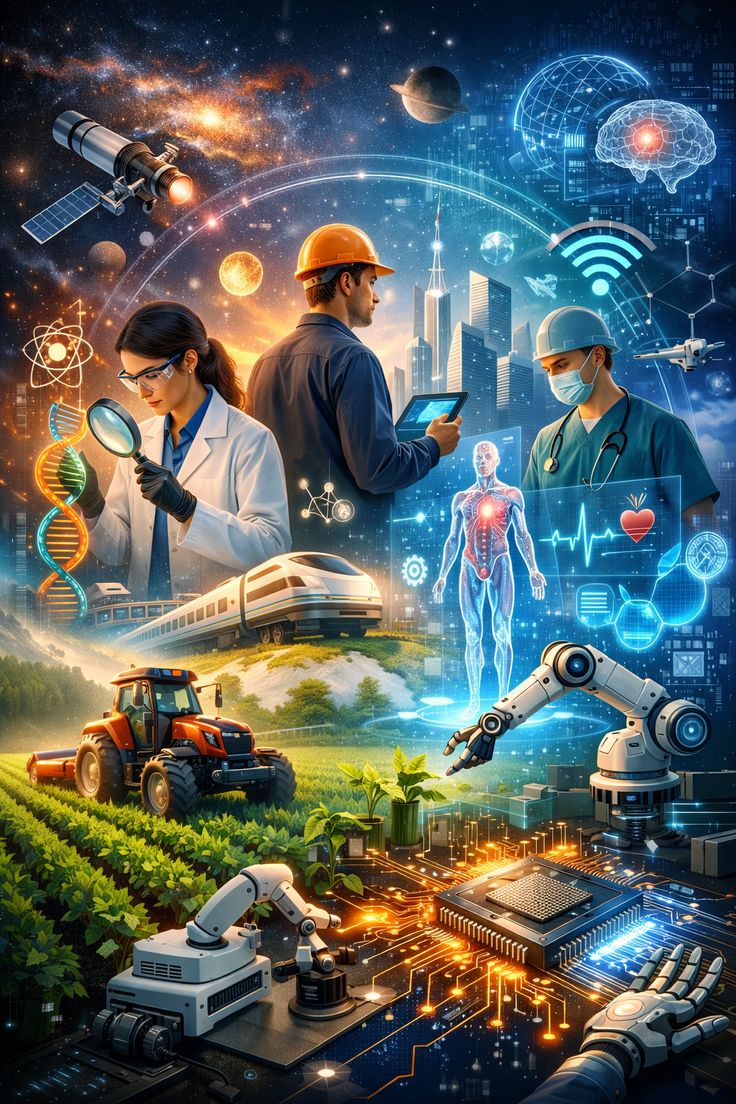
Technology continues to play a major role in shaping modern life. In 2026, advanced digital tools, smart devices, and artificial intelligence are making daily activities easier, faster, and more efficient. From communication and healthcare to education and transportation, technology is improving the way people live and work around the world.
Understanding How Technology Is Improving Everyday Life in 2026 helps people see the benefits of digital innovation and how it continues to transform society. Technology is no longer limited to businesses and large industries. It is now deeply connected to everyday routines and personal lifestyles.
In this article, you will learn how technology is improving daily life in different areas and why it has become an essential part of modern living.
Smarter Communication and Connectivity
One of the biggest ways technology is improving everyday life is through communication. In 2026, people can connect instantly with family, friends, coworkers, and customers from anywhere in the world.
Modern communication technology includes:
- Video calls
- Instant messaging apps
- Social media platforms
- Voice assistants
- Cloud-based collaboration tools
These technologies help people stay connected in real time. Businesses can manage remote teams more effectively, while families can maintain relationships despite long distances.
Faster internet connections and improved mobile networks also make communication more reliable and accessible.
Better Healthcare Services
Healthcare technology has improved significantly in recent years. In 2026, advanced medical tools and AI-powered systems are helping doctors diagnose illnesses faster and provide better treatments.
Technology in healthcare includes:
- Telemedicine services
- AI medical analysis
- Wearable health devices
- Digital patient records
- Smart health monitoring apps
People can now schedule online doctor consultations and monitor their health using smartwatches and mobile apps.
Wearable devices can track:
- Heart rate
- Sleep quality
- Blood pressure
- Physical activity
- Stress levels
These innovations help people manage their health more effectively and detect problems early.
Technology is also helping hospitals improve patient care and reduce treatment delays.
Easier Access to Education
Education has become more accessible because of technology. Online learning platforms allow students to study from home and access educational resources anytime.
Examples of educational technology include:
- Online courses
- Virtual classrooms
- Educational apps
- AI learning assistants
- Interactive digital lessons
Students can now learn new skills through websites, mobile apps, and video tutorials.
Technology also helps teachers create engaging lessons and communicate more effectively with students.
In 2026, remote learning continues to grow, giving people worldwide access to affordable education and professional training.
Improved Transportation Systems
Transportation technology is making travel safer, faster, and more convenient.
Modern transportation innovations include:
- Electric vehicles
- Self-driving technology
- Smart traffic systems
- GPS navigation apps
- Ride-sharing platforms
Navigation apps help drivers avoid traffic and find the fastest routes. Electric vehicles reduce fuel costs and environmental pollution.
Public transportation systems are also becoming smarter with digital payment systems and real-time tracking.
Technology improves travel efficiency and helps people save time during daily commutes.
Smart Homes and Automation
Smart home technology is becoming more common in 2026. Many households now use connected devices to automate daily tasks and improve convenience.
Examples of smart home technology include:
- Smart lights
- Voice-controlled assistants
- Smart security systems
- Automated appliances
- Smart thermostats
These devices allow homeowners to control lights, temperature, and security systems using smartphones or voice commands.
Automation saves time and improves energy efficiency. For example, smart thermostats automatically adjust room temperatures to reduce electricity usage.
Smart security systems also improve home safety through cameras, motion sensors, and remote monitoring.
Online Shopping and Digital Payments
Technology has transformed the shopping experience. In 2026, online shopping is faster, easier, and more personalized.
People can purchase products using:
- E-commerce websites
- Mobile shopping apps
- Digital wallets
- Contactless payment systems
AI-powered recommendations help customers discover products based on their interests and previous purchases.
Digital payment systems such as mobile banking and online wallets make transactions secure and convenient.
Customers can now shop from anywhere and receive products delivered directly to their homes.
Artificial Intelligence in Daily Life
Artificial Intelligence has become a major part of modern living. AI systems help automate tasks, improve decision-making, and provide personalized experiences.
Examples of AI in daily life include:
- Virtual assistants
- AI chatbots
- Personalized recommendations
- Smart search engines
- Language translation tools
AI assistants can answer questions, schedule reminders, and control smart devices.
Streaming platforms and online stores use AI to recommend movies, music, and products based on user preferences.
Businesses also use AI to improve customer service and marketing strategies.
AI technology saves time and increases productivity in both personal and professional life.
Improved Entertainment Experiences
Entertainment technology continues to evolve rapidly. In 2026, people have access to high-quality digital entertainment from almost anywhere.
Popular entertainment technologies include:
- Streaming platforms
- Virtual reality (VR)
- Augmented reality (AR)
- Online gaming
- Smart TVs
Streaming services provide instant access to movies, music, and TV shows.
Virtual reality creates immersive experiences for gaming, education, and training.
Technology allows users to enjoy personalized entertainment experiences based on their interests.
Increased Productivity at Work
Technology is improving workplace productivity and efficiency. Businesses use digital tools to manage projects, communicate, and automate repetitive tasks.
Workplace technologies include:
- Cloud storage systems
- Project management software
- Video conferencing tools
- AI automation software
- Collaboration platforms
Remote work has become more effective because employees can communicate and share files online easily.
Automation reduces manual work and helps businesses save time and money.
Employees can now work more efficiently from home or office environments.
Better Financial Management
Financial technology, also known as fintech, helps people manage money more effectively.
Popular fintech tools include:
- Mobile banking apps
- Budgeting apps
- Online investment platforms
- Cryptocurrency wallets
- Digital payment systems
These tools allow users to:
- Track expenses
- Pay bills online
- Transfer money instantly
- Monitor investments
- Save money more efficiently
Technology makes financial services more accessible and convenient for people worldwide.
Environmental Benefits of Technology
Technology is also helping protect the environment through sustainable innovations.
Examples include:
- Renewable energy systems
- Electric vehicles
- Smart energy management
- Recycling technologies
- Digital paperless systems
Smart technology helps reduce waste and improve energy efficiency.
Many businesses now use digital documents instead of paper, reducing environmental impact.
Green technology continues to support cleaner and more sustainable lifestyles.
Enhanced Security and Safety
Modern technology improves personal and digital security.
Security technologies include:
- Biometric authentication
- Smart surveillance systems
- Cybersecurity software
- Two-factor authentication
People can protect their personal information using advanced security systems and encrypted communication tools.
Businesses also use cybersecurity solutions to protect customer data and prevent online threats.
Technology helps reduce crime risks and improves online safety.
Technology in Social Interaction
Social media and communication platforms continue to influence how people interact.
Technology helps people:
- Build online communities
- Share information instantly
- Connect globally
- Promote businesses and ideas
Social platforms also support learning, networking, and collaboration.
Although digital interaction has many benefits, maintaining healthy screen time and personal relationships remains important.
Challenges of Modern Technology
While technology offers many advantages, there are still challenges that people must manage carefully.
Some common concerns include:
- Privacy issues
- Cybersecurity threats
- Screen addiction
- Misinformation online
- Job automation concerns
Responsible technology use is important for maintaining balance and protecting personal information.
Governments and companies continue working on solutions to improve digital safety and privacy.
The Future of Technology Beyond 2026
The future of technology looks even more advanced. Innovations such as quantum computing, advanced AI systems, smart cities, and improved robotics are expected to transform society further.
Future technology may improve:
- Healthcare treatments
- Transportation systems
- Environmental sustainability
- Workplace automation
- Education accessibility
Technology will likely continue making life more efficient, connected, and convenient.
Businesses and individuals who adapt to technological changes will benefit the most in the future.
Conclusion
Understanding How Technology Is Improving Everyday Life in 2026 shows how digital innovation continues to transform modern society. Technology now affects communication, healthcare, education, transportation, entertainment, and business operations.
Smart devices, artificial intelligence, and automation systems help people save time, improve productivity, and enjoy more convenient lifestyles. At the same time, responsible technology use remains important for protecting privacy and maintaining balance.
As technology continues evolving, it will create even more opportunities to improve daily life and solve global challenges. People who embrace innovation and learn new digital skills will be better prepared for the future.